a literacy narrative
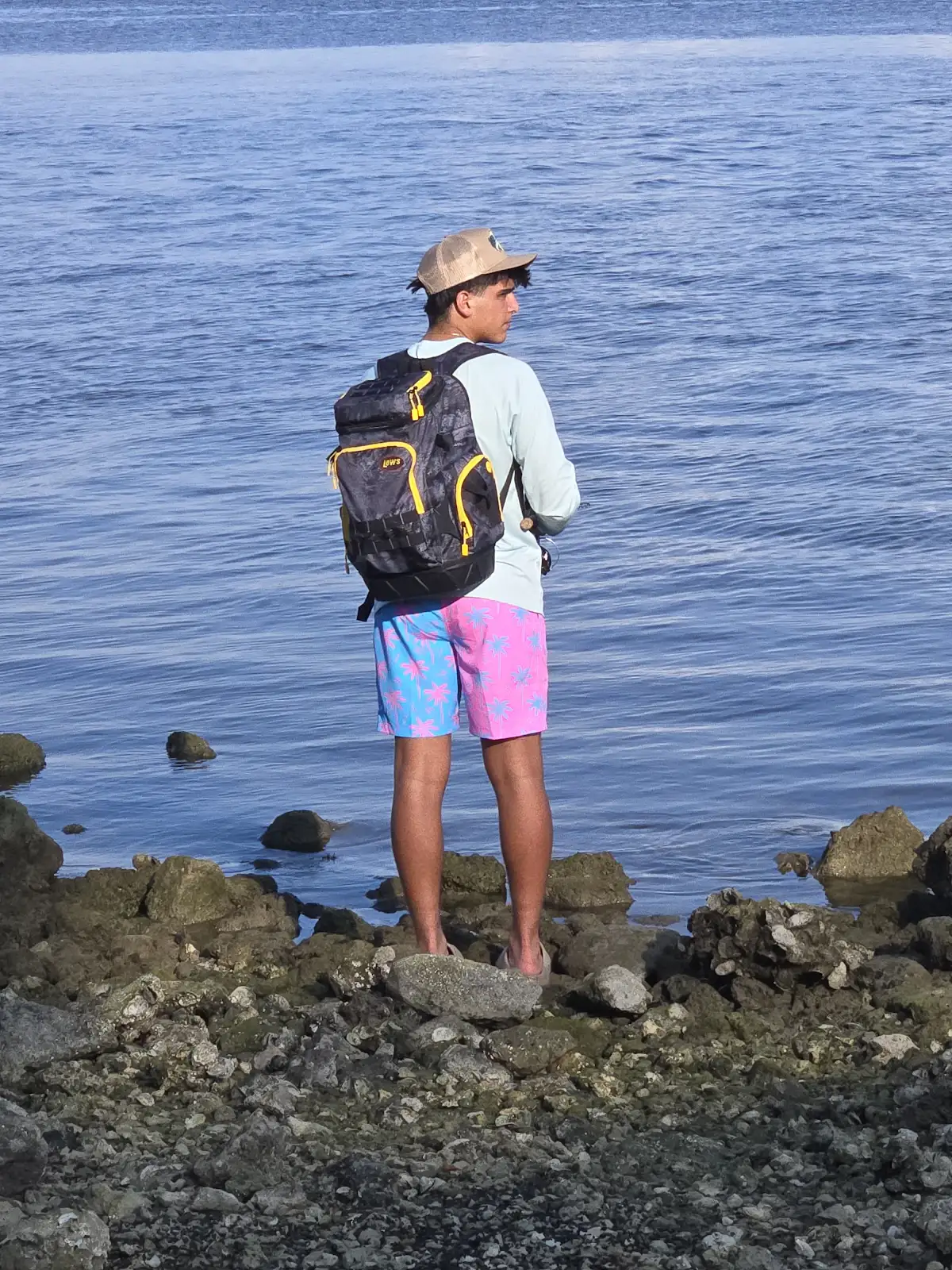
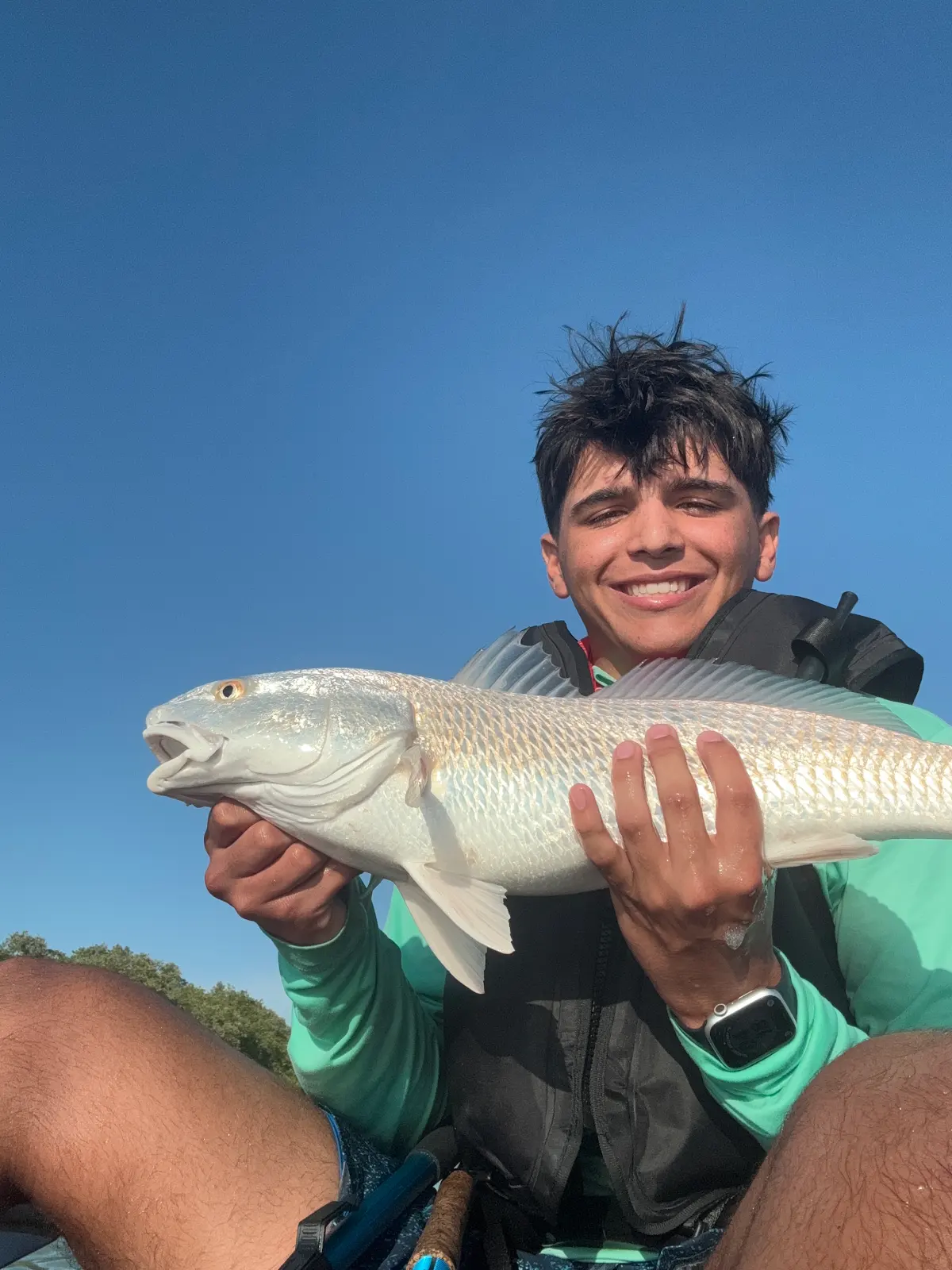
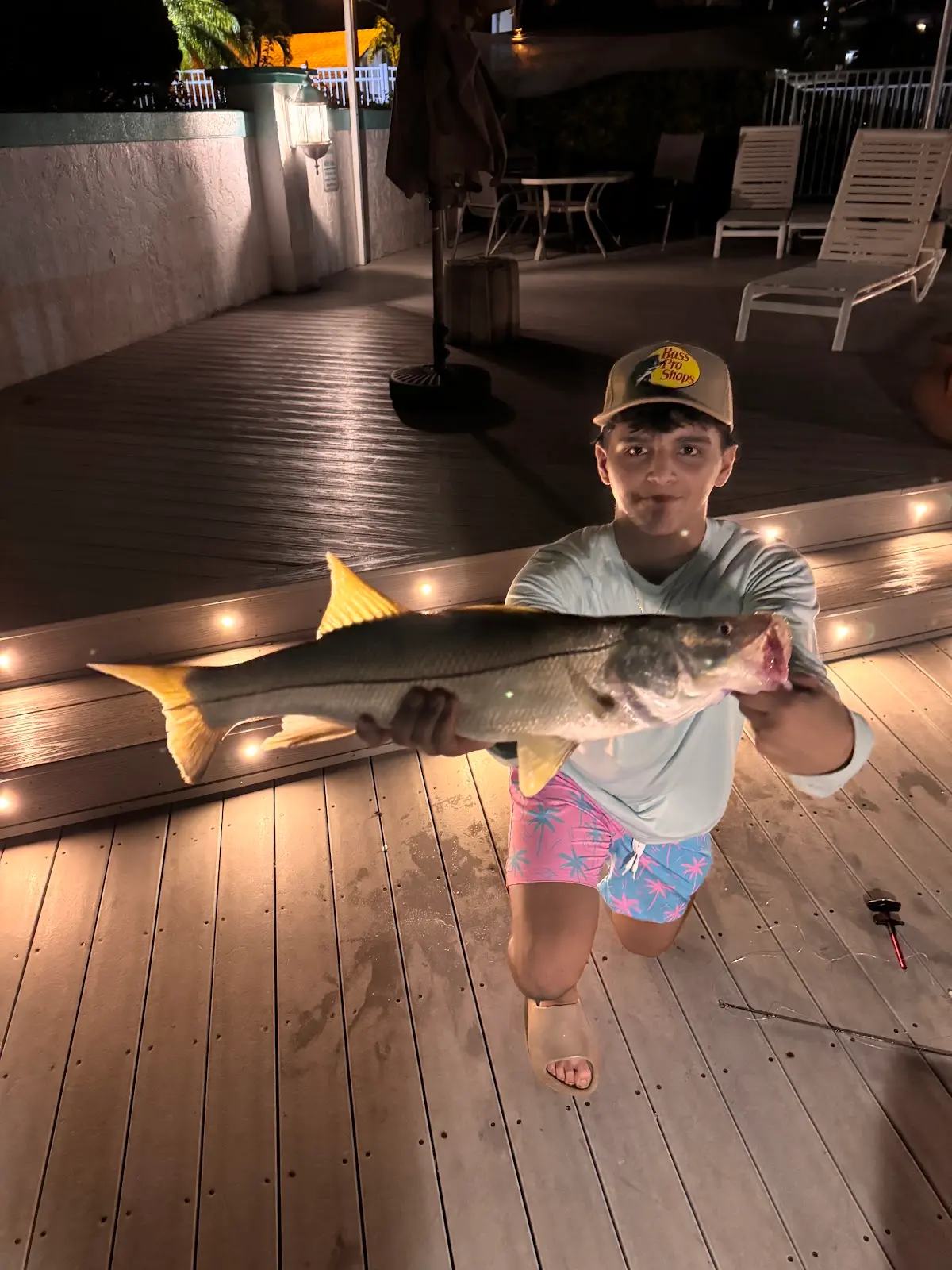
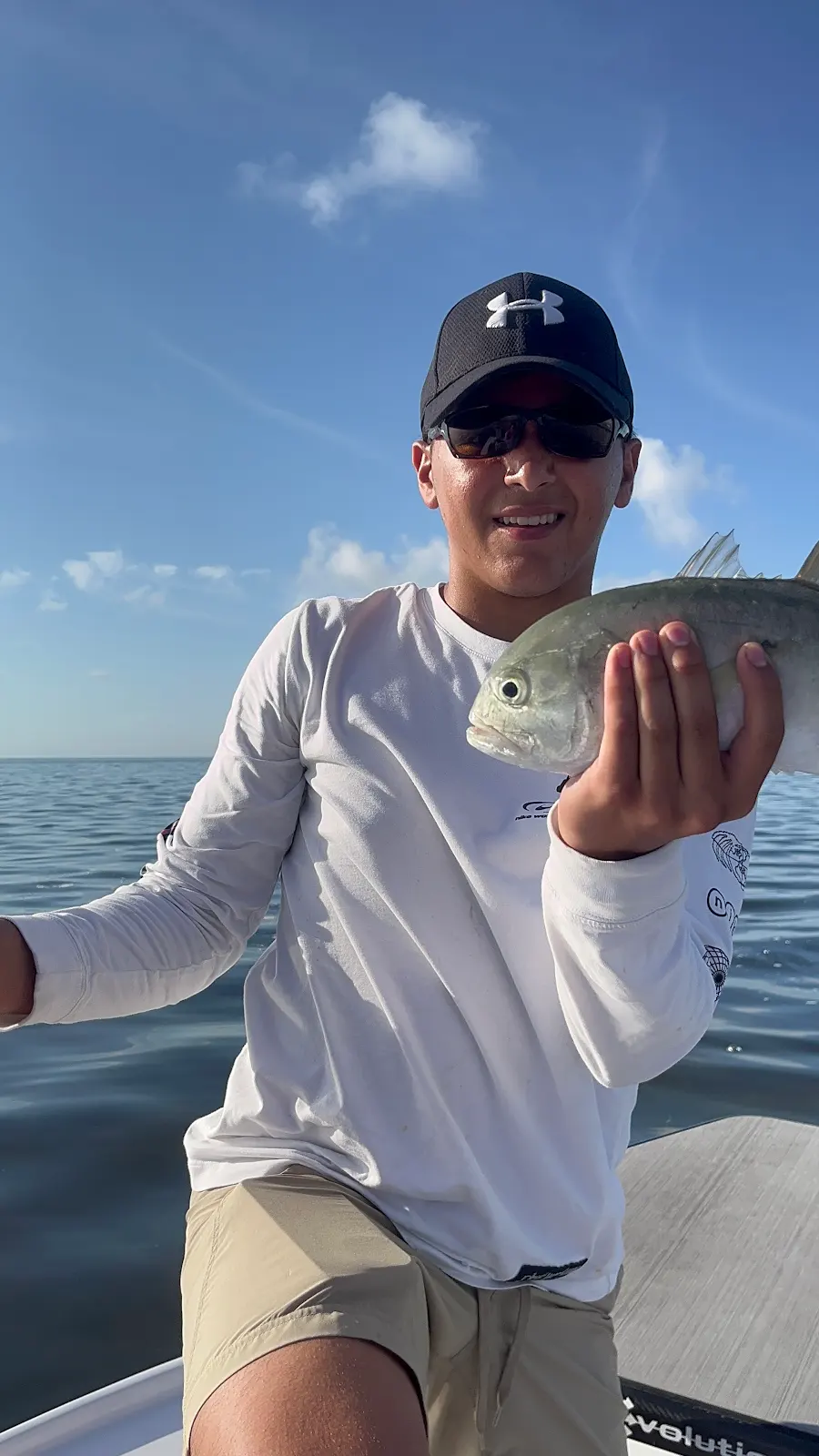
Nobody in my family fished. No tackle box passed down, no boat, no uncle with a favorite spot he'd take me to at dawn.
What I had instead was a want I couldn't explain — a pull toward water I hadn't earned any right to feel.


chapter one
I was twelve when I met my sensei — my karate coach, the one who taught me to keep my stance low and my breathing lower. Off the mat, he had a second discipline I didn't know about yet.
He fished the way he taught: patiently, precisely, and completely unwilling to explain something twice. If you didn't catch it the first time, you watched his hands again until you did.
The first afternoon he took me out, I realized I didn't just need to learn how to fish. I needed to learn how to listen like someone already inside the world he lived in.
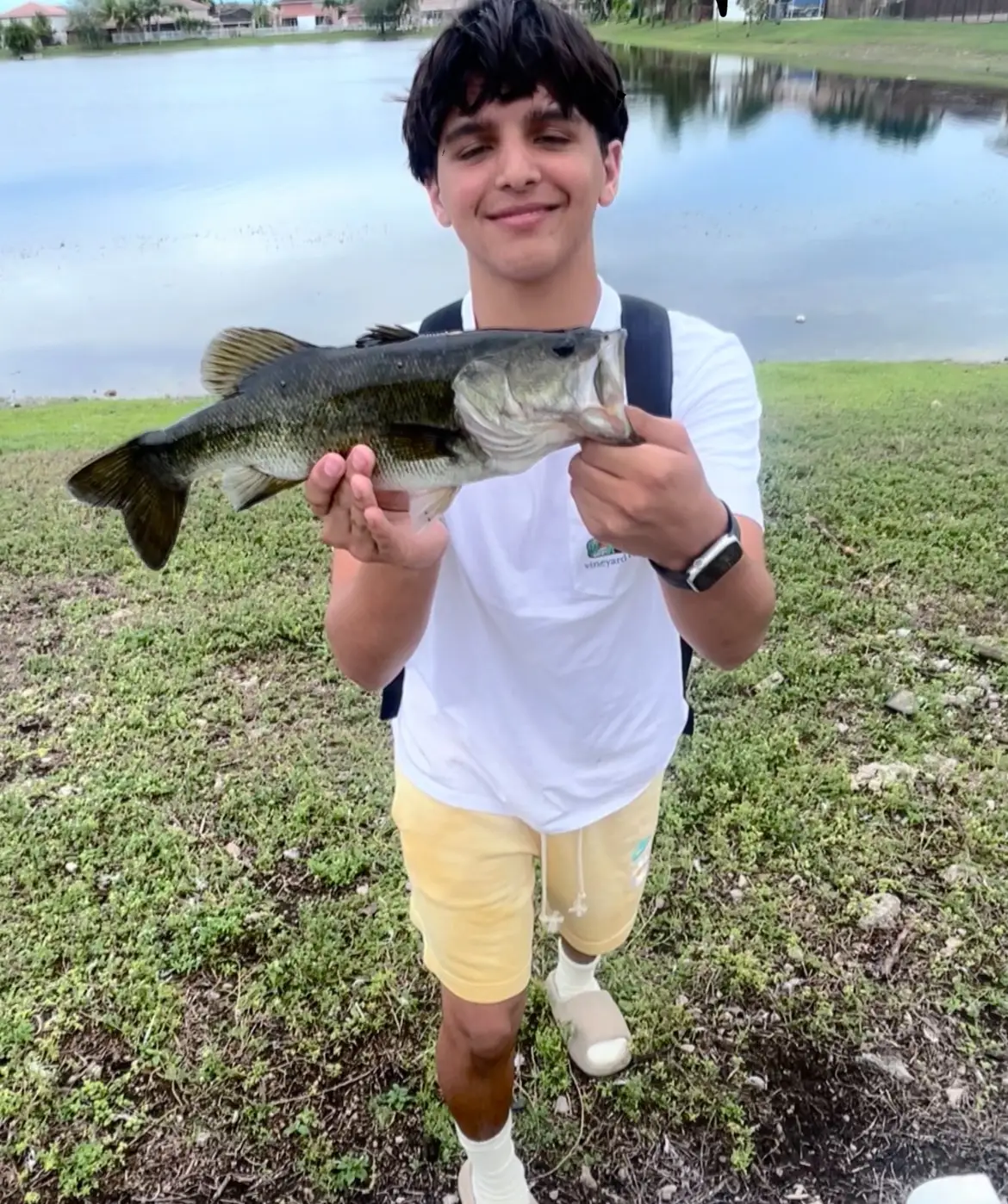
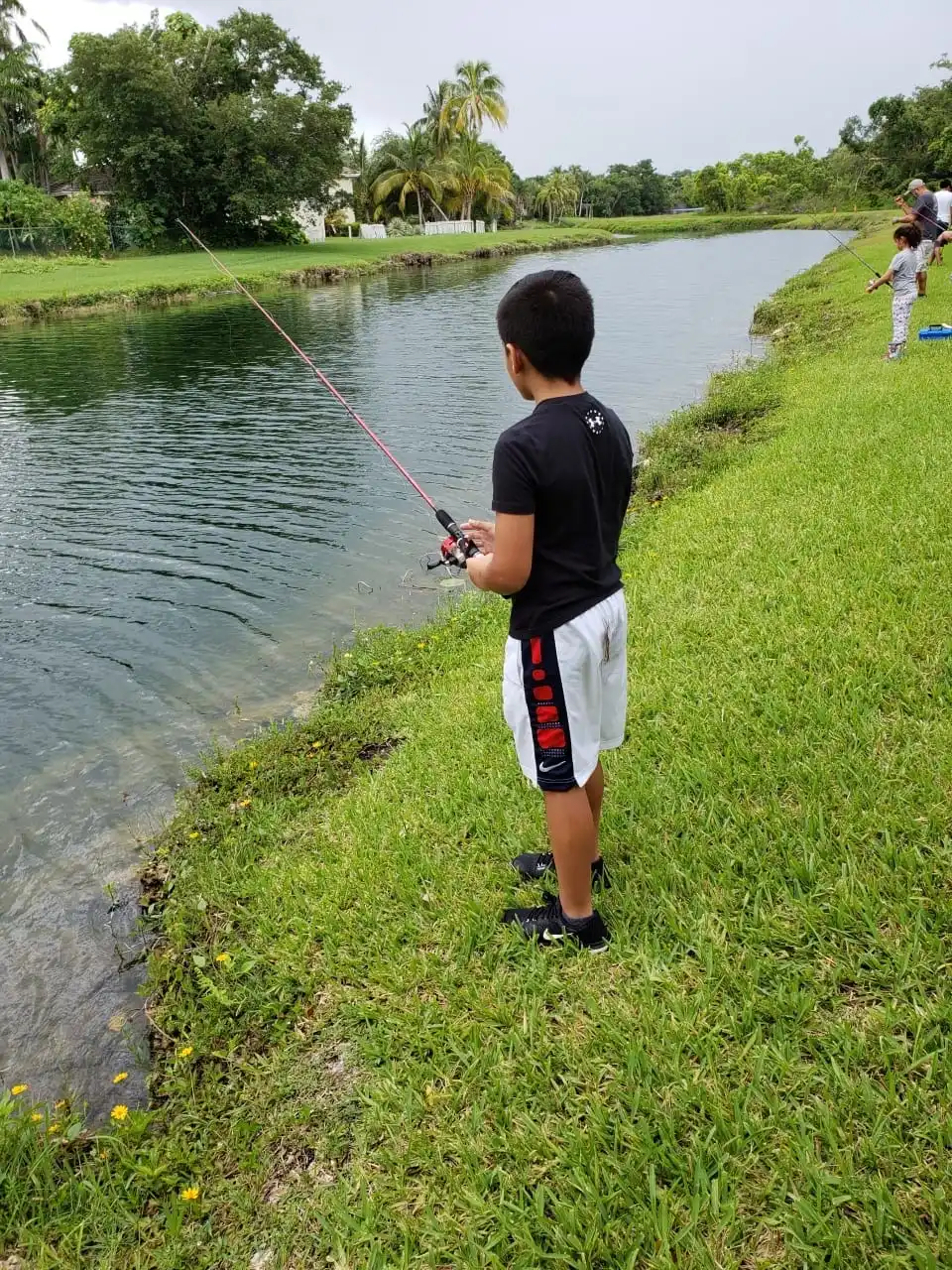
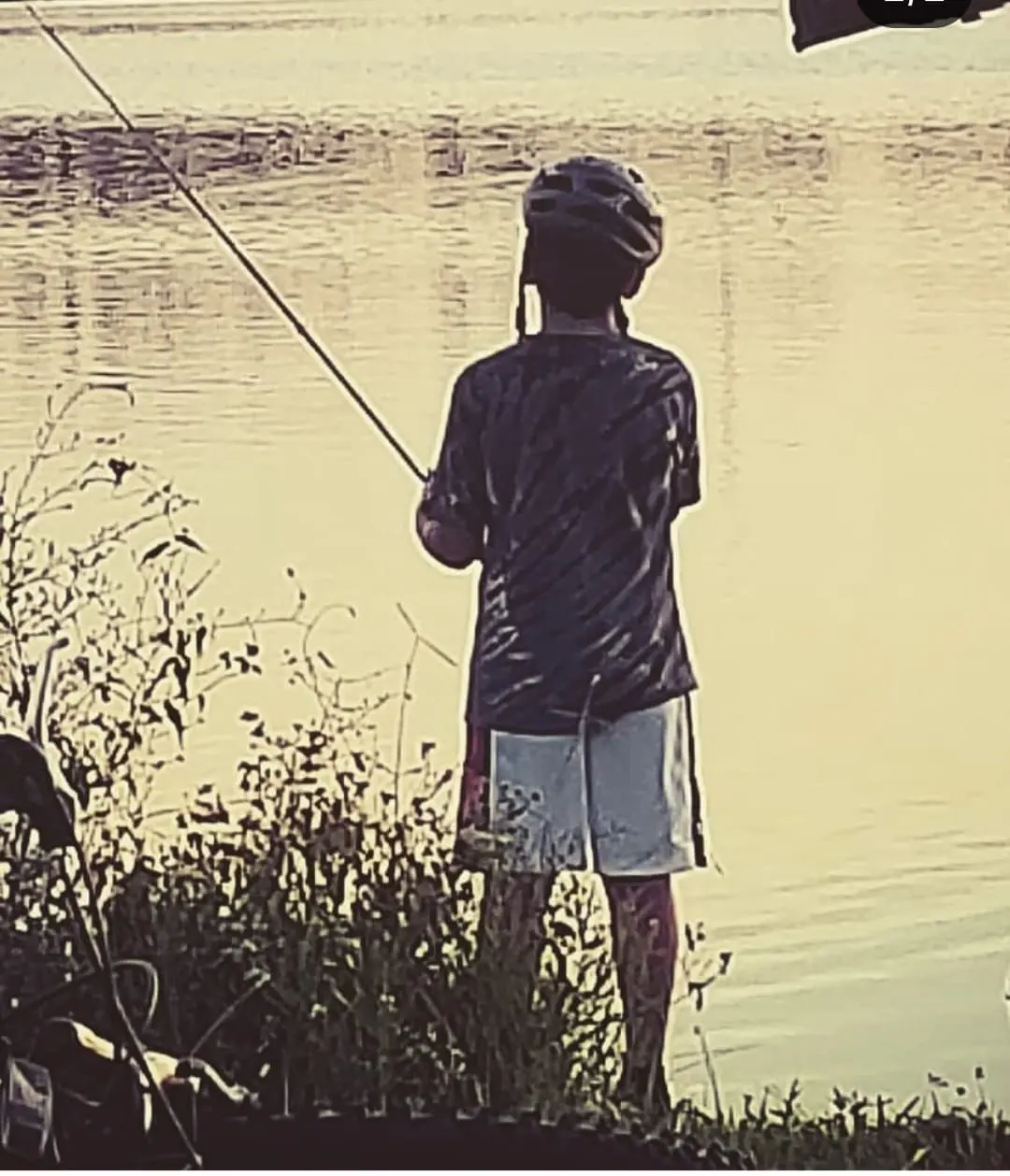
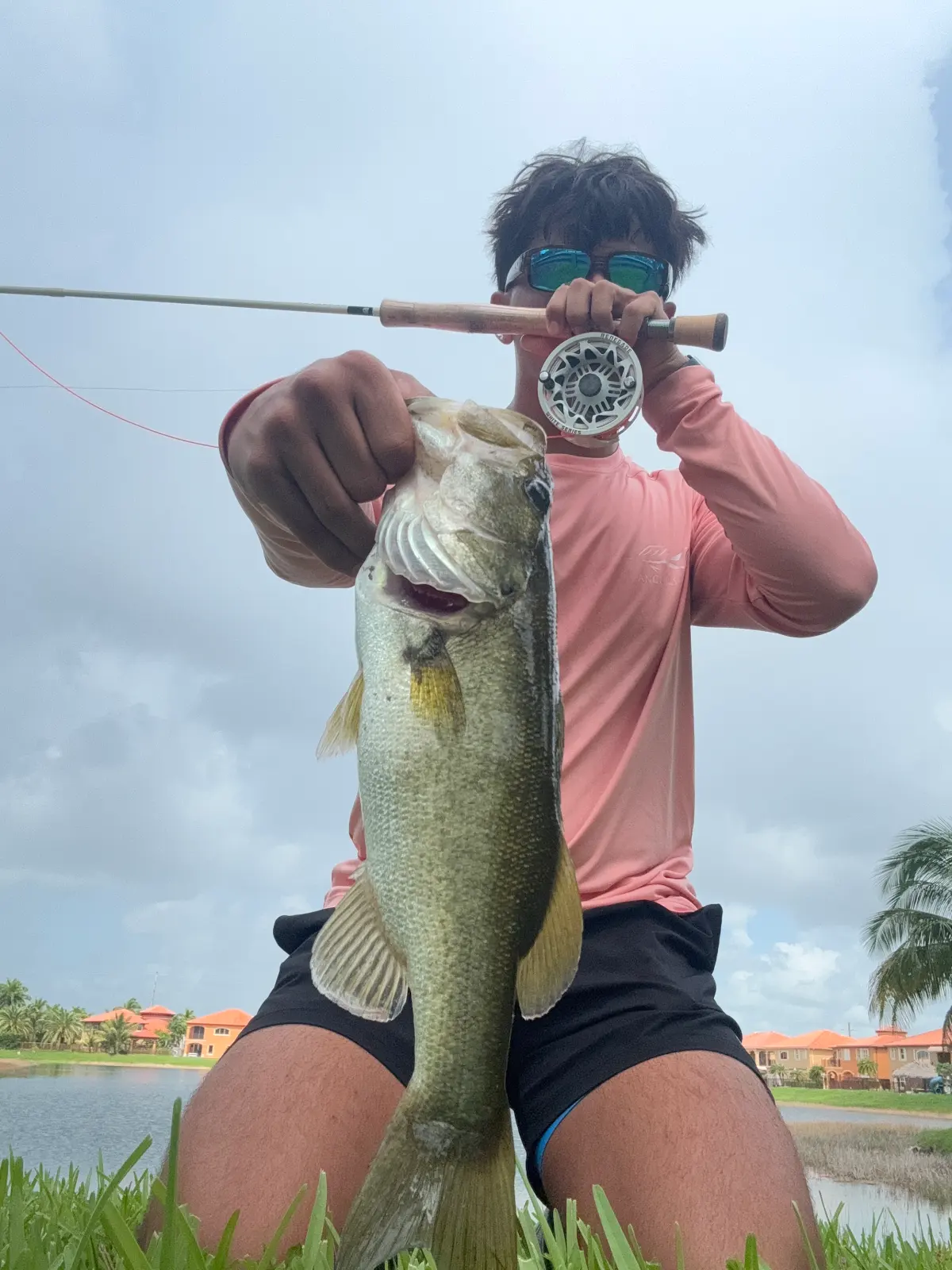
Some of what he taught me was spin tackle, casting into lily pads at the neighborhood lake. Some of it, when he decided I was ready, was a fly rod he handed over without much explanation at all — my first one, years before I had a name for anything I was doing.
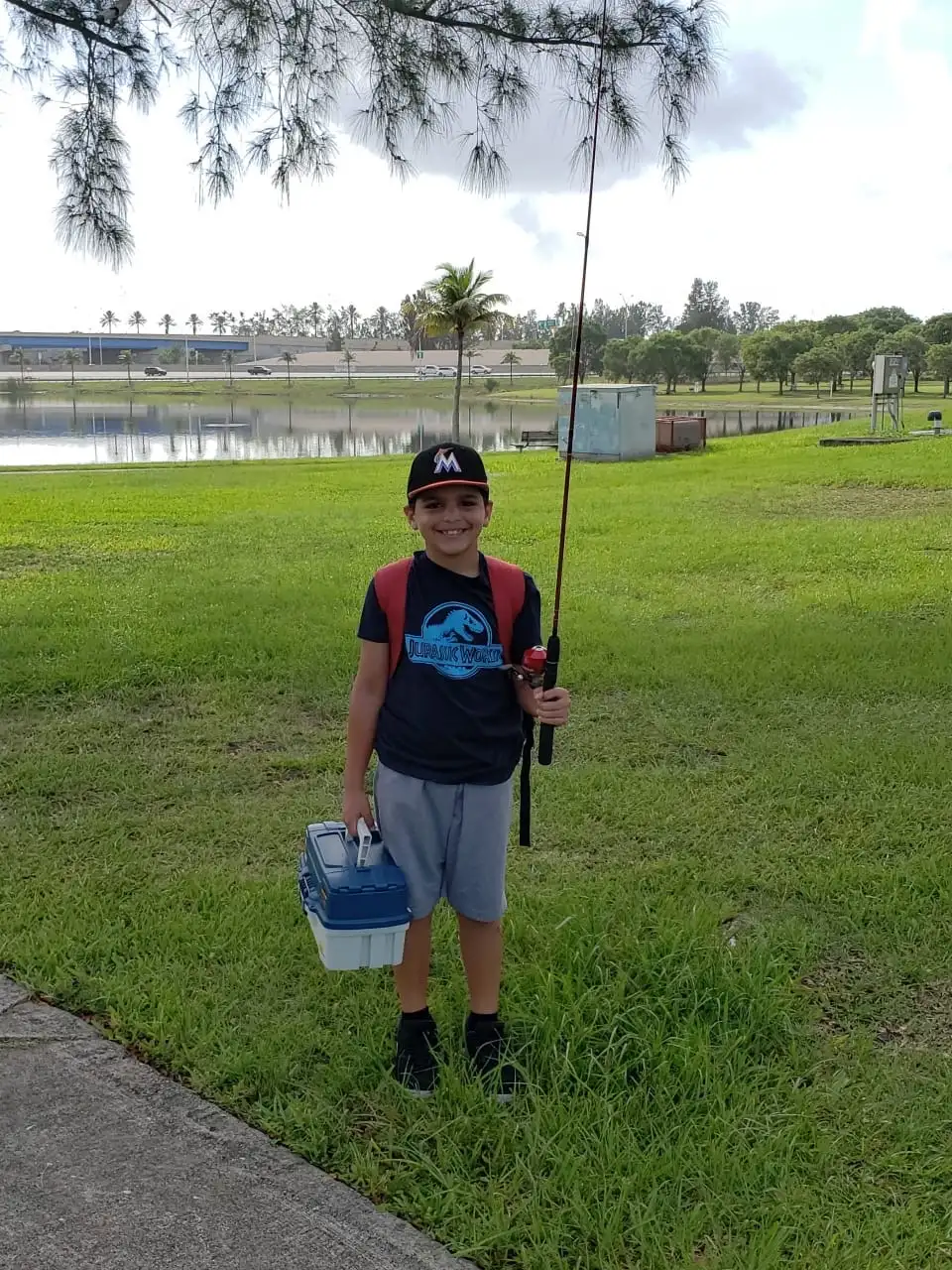
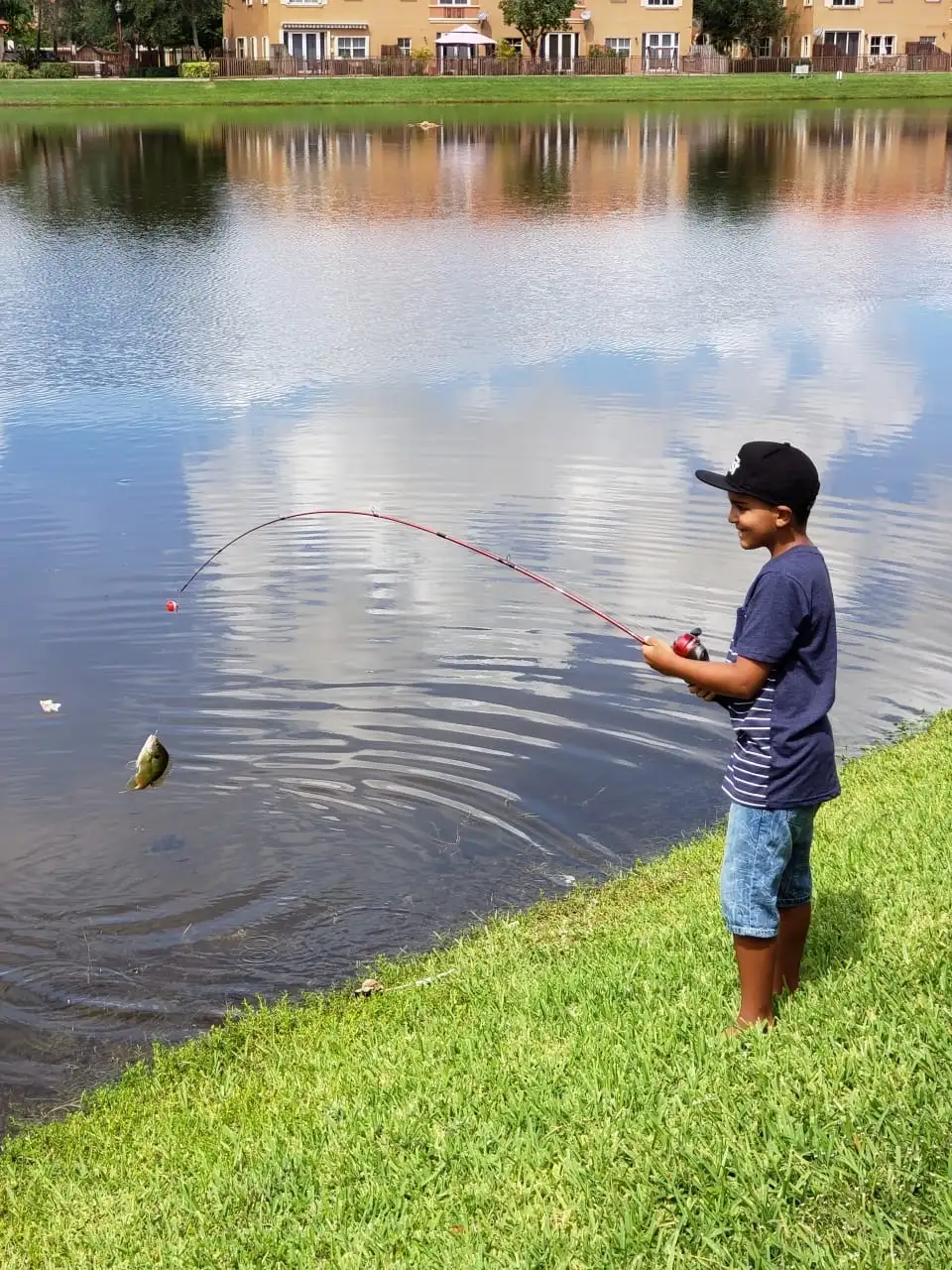
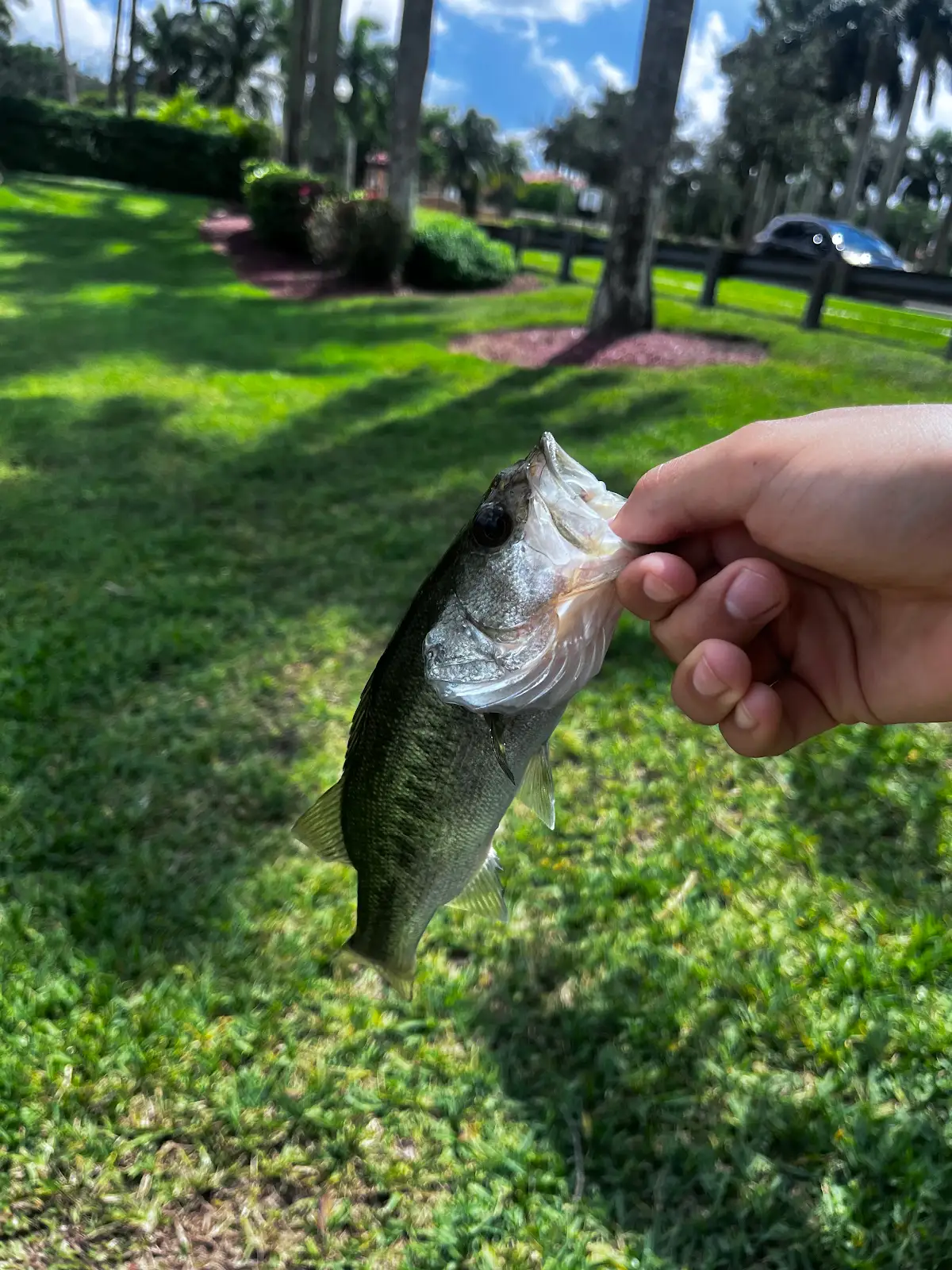
He didn't hand me a glossary. He handed me a rod and started talking as if I already spoke the language — and let me catch up.
chapter two
Every discourse community has words that do work ordinary words can't. Fishing has hundreds. Here are a few of the first ones I had to learn — turn each card over.
Six words. It took me most of a summer to stop translating them in my head and start just hearing them.
chapter three
Catch and release isn't just a regulation posted at the boat ramp. Inside the community, it's closer to a moral code — one nobody ever sat me down and explained.
You learn it by watching what people wince at. Hold the fish too long for a photo and someone will say something before you even ask why.
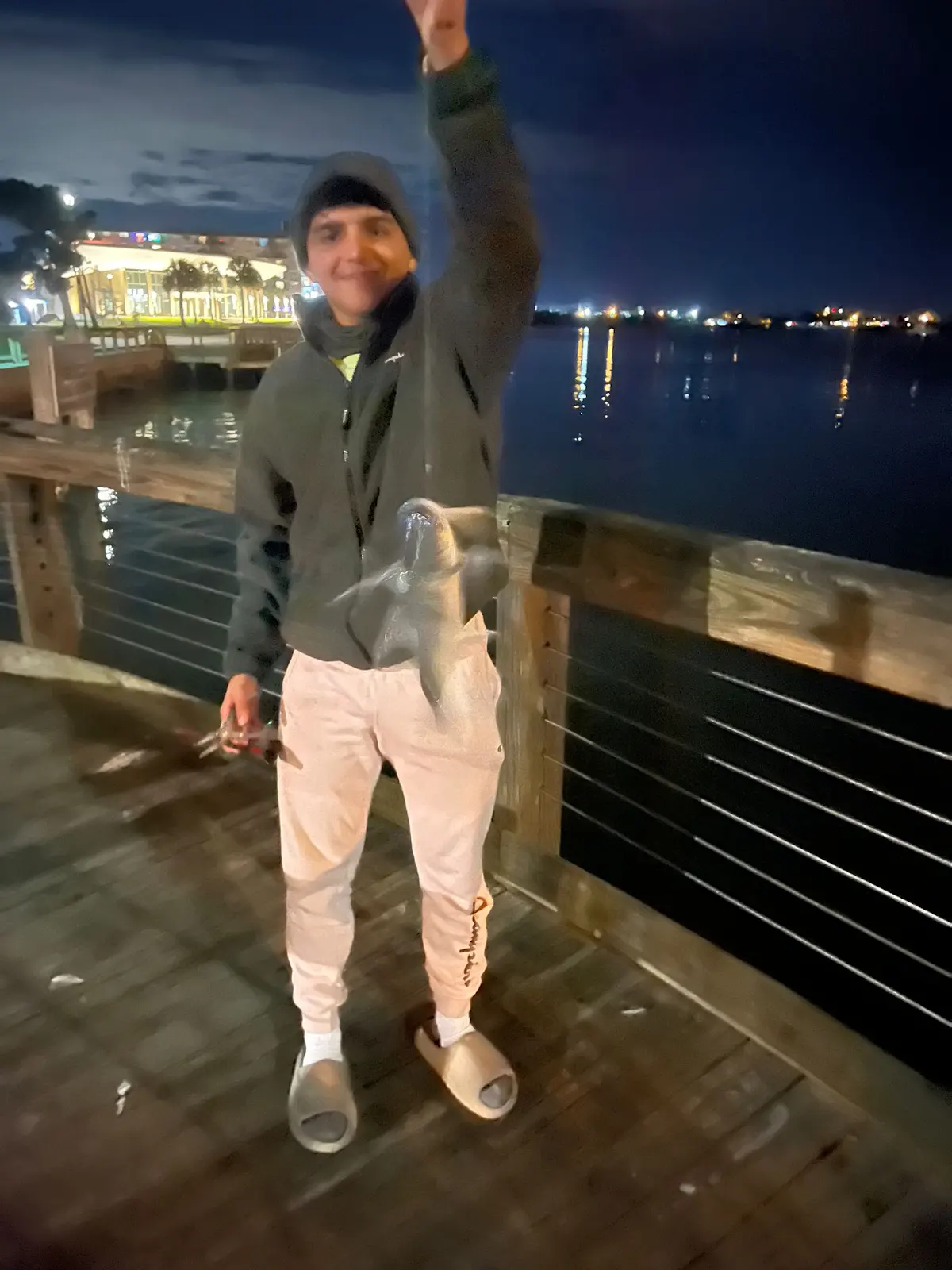
Sensei never lectured me about it. He just released fish faster than he photographed them, and eventually I understood that was the actual lesson.
chapter four
Between karate, football, wrestling, and school, my schedule left no actual gaps — just transitions from one demand to the next.
The water didn't ask anything of me on a clock. Learning its language meant learning to wait without checking a watch, which was its own kind of vocabulary I didn't have yet.
Patience, it turns out, isn't a virtue you decide to have. It's a word you learn the meaning of by standing still in a current for forty-five minutes with nothing to show for it.


chapter five
I thought I was fluent until I walked into my school's Anglers Club and heard people talking about "loading the rod" and "false casting" like it was an entirely separate tongue.
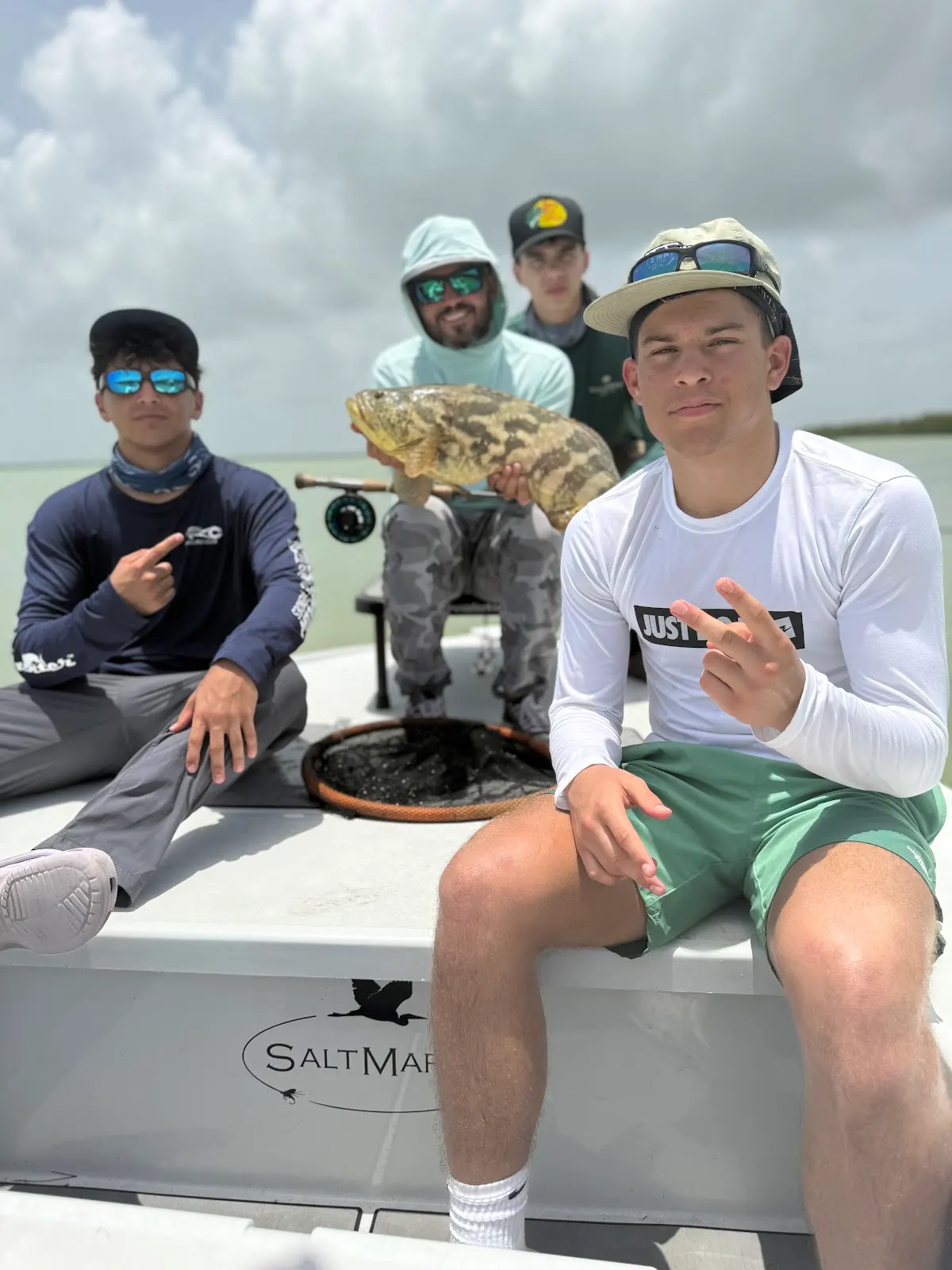
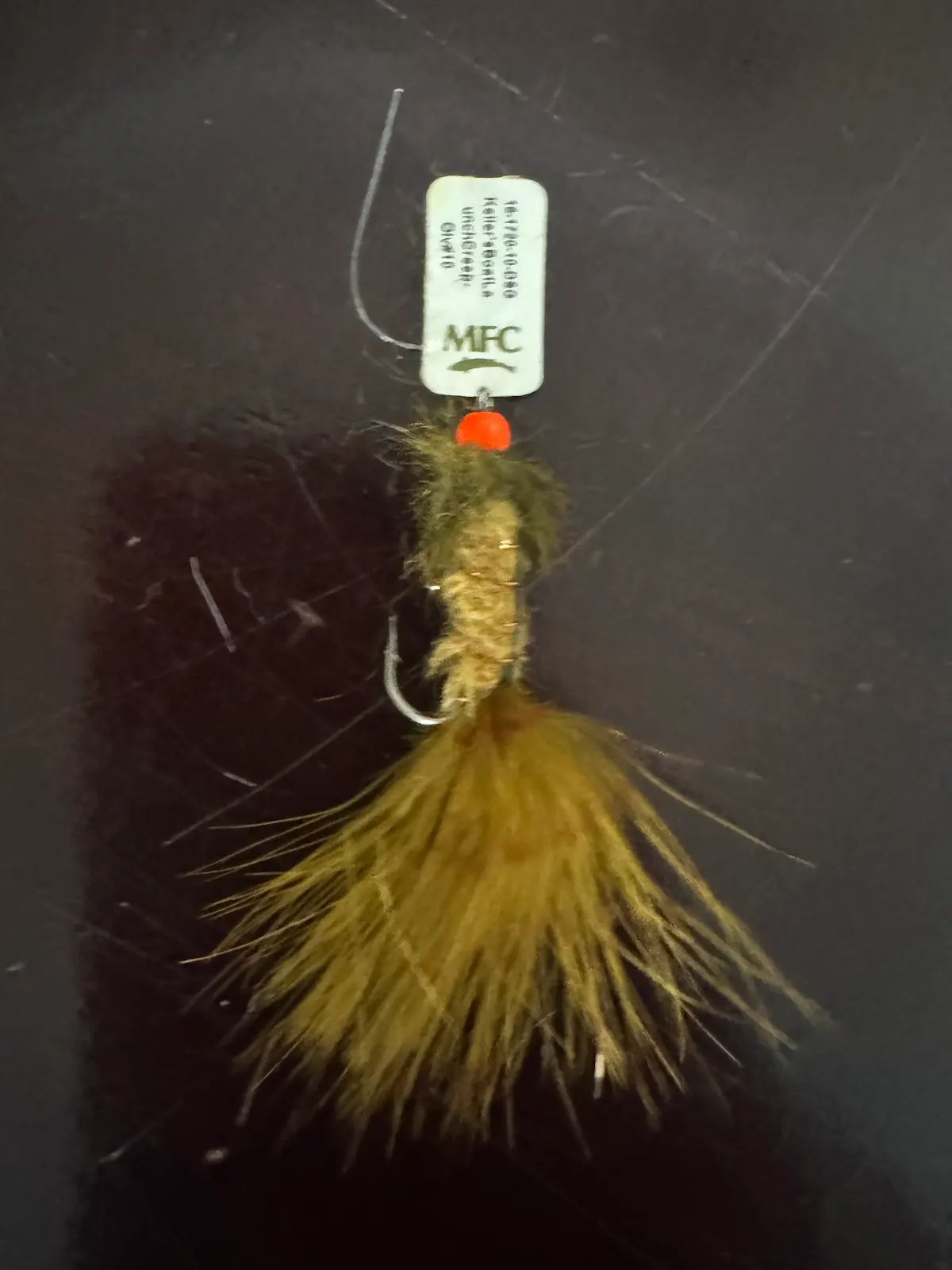
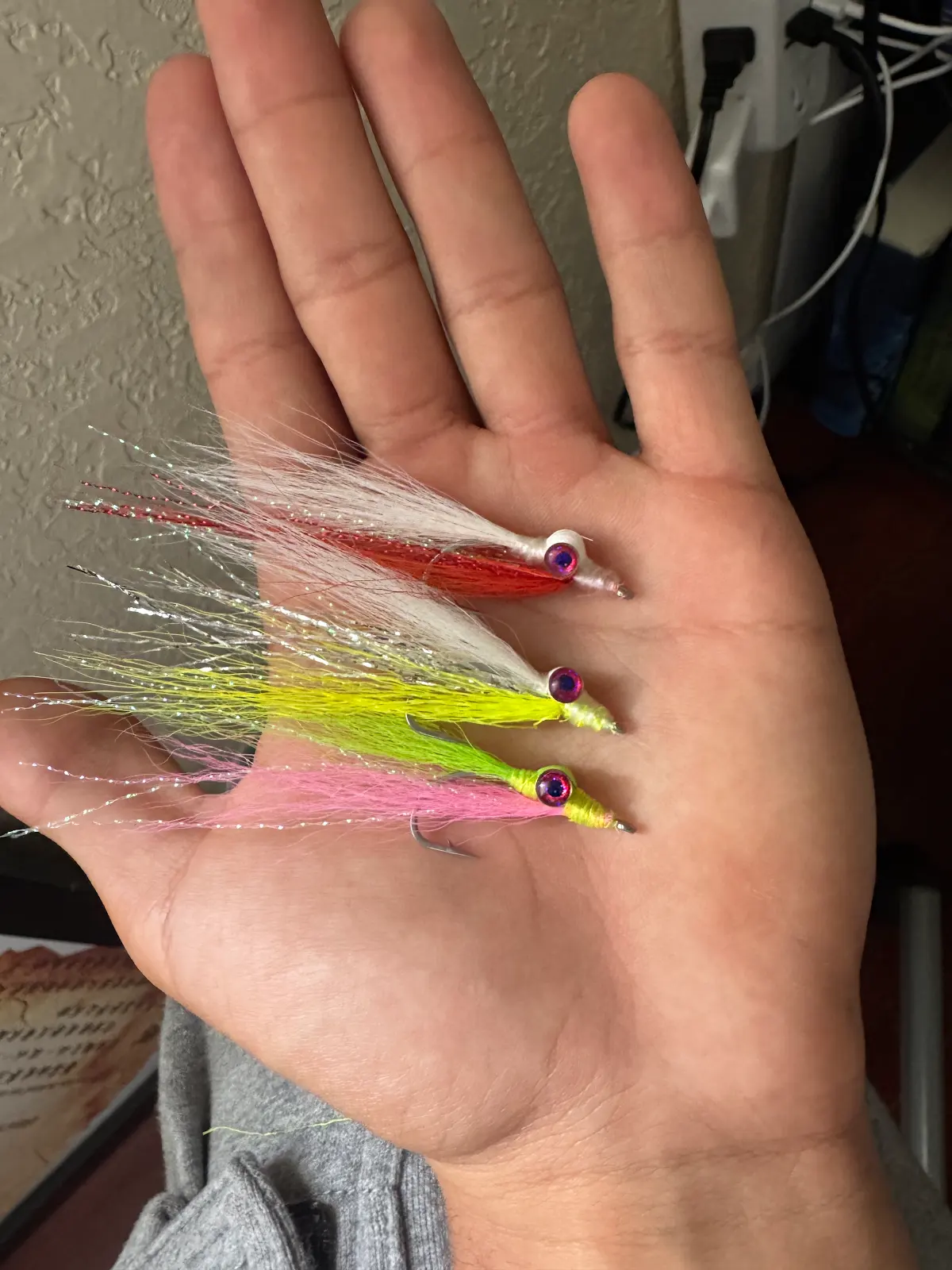
Sensei had given me a head start with a fly rod years earlier, but a club full of people who lived in that grammar full-time was still a different language. Spin tackle had prepared me for almost none of it — different rhythm, different rules, a whole new set of unwritten expectations.
I was the beginner again, which felt less like starting over and more like recognizing the shape of learning itself — I already knew how to be new at this.


closing
I still don't come from a fishing family. That was never really the point.
What I have instead is a language I wasn't born into but chose to learn — one word, one cast, one corrected mistake at a time.
I used to feel a pull toward the water I couldn't explain. Now I can tell you exactly what it was: the sound of a conversation I wanted in on.


— end —